

Agent productivity is a powerful lever that drives real business results. When agents are equipped, supported, and empowered, service levels rise, costs fall, and the customer experience improves across the board.
But productivity doesn’t decline for just one reason—it’s shaped by tools, workflows, training, and the day-to-day realities agents face on the front lines.
In this guide, we’ll break down why agent productivity drops, how to measure it accurately, and the most effective ways to improve it—while also showing how empowerment and experience enhancement unlock sustainable, long-term performance gains.
Why Does Agent Productivity Drop?
Here are the major contributing factors to low productivity for call center agents:
- Process & Workflow Inefficiencies – Unclear call flows, redundant steps, and excessive after-call work slow agents down and increase handle time. Every unnecessary step compounds across hundreds of interactions per day.
- Technology & Tooling Friction – Slow systems, poor integrations, and constant app-switching create delays and errors. When tools fight agents, productivity drops immediately.
- Staffing & Workforce Management Issues – Poor forecasting leads to overstaffing in slow periods and understaffing during peaks. This causes either idle time or overload, both of which hurt performance.
- Training & Skill Gaps – Inadequate onboarding and limited ongoing coaching leave agents uncertain and inefficient. Knowledge gaps drive longer calls and more escalations.
- Knowledge Access & Information Overload – Outdated, disorganized, or hard-to-search knowledge bases force agents to hunt for answers during live calls. This increases hold time and reduces first-contact resolution.
- Customer-Side Complexity – Poor self-service, incomplete customer data, and emotionally charged interactions all lengthen call time. Agents spend more effort clarifying and calming instead of resolving.
- Performance Management & KPI Misalignment – When metrics prioritize speed over quality, agents rush calls or game the system. Conflicting KPIs create confusion and disengagement.
- Agent Morale, Burnout & Engagement – High workload, emotional fatigue, micromanagement, and lack of recognition quickly erode motivation. Burned-out agents work slower and leave sooner.
- Physical & Environmental Factors – Noise, poor ergonomics, unreliable internet, and long uninterrupted call blocks reduce focus and stamina. Even small environmental stressors materially affect output.
Keep this in mind: Call center managers report that improving agent satisfaction can improve overall efficiency by 56%, customer satisfaction scores by 62%, and agent retention by 39%.
5 Ways to Improve Agent Productivity
Improving agent productivity requires more than just faster tools—it demands better workflows, smarter training, continuous performance insight, and an environment where agents feel empowered to do their best work.
The following five recommendations are best used together, but you can make a start by implementing the ones that resonate the most with your call center.
1. Give them the best tools available
Equip agents with technology that removes friction instead of adding it, such as:
- Unified Agent Desktop: Eliminate tab-switching with a single interface for calls, CRM, tickets, and knowledge base.
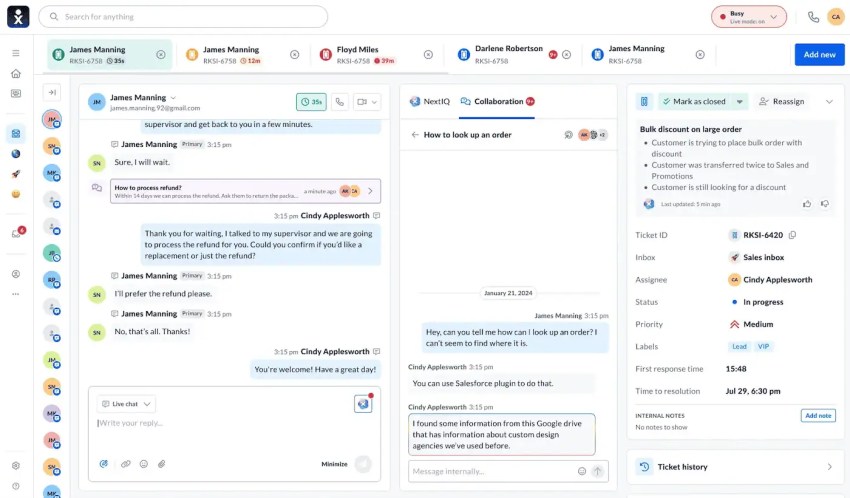
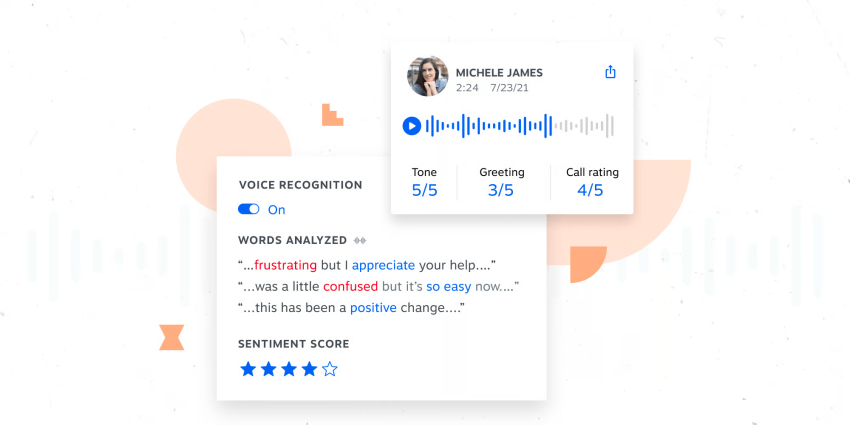
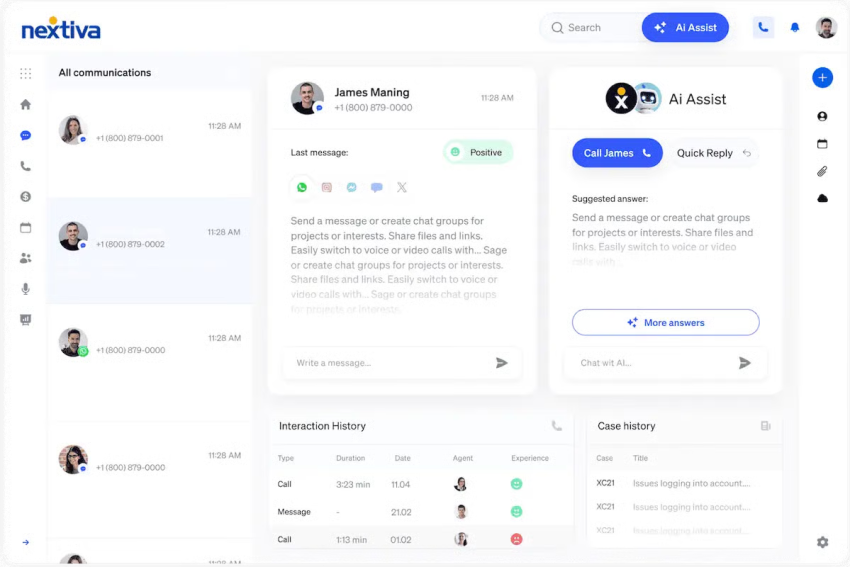
- AI Copilots & Assistants: Use an AI tool for real-time transcription, suggested replies, and next-best-action prompts.
- Smart Knowledge Management: Surface articles contextually based on call reason or customer intent.
- Integrated CRM & CTI: Automatically pull up history at the start of every customer interaction.
- Automation for Repetitive Tasks: Auto-log calls, summarize interactions, update tickets, and trigger follow-ups.
- Reliable Infrastructure: Poor call quality, lag, or system downtime immediately destroy productivity.
Result: Less manual work, fewer errors, faster resolution, and lower cognitive load.
1. b. How an AI receptionist fits into agent productivity
An AI agent supports agent productivity by managing call flow before interactions ever reach an agent. Rather than speeding up work during the conversation, it reduces unnecessary volume, prepares calls for smoother handling, and limits the interruptions that slow agents down.
An AI receptionist such as Nextiva XBert uses generative AI to handle calls, chats and texts to greet customers, book appointments, and capture leads so agents can focus on complex, high-value conversations.
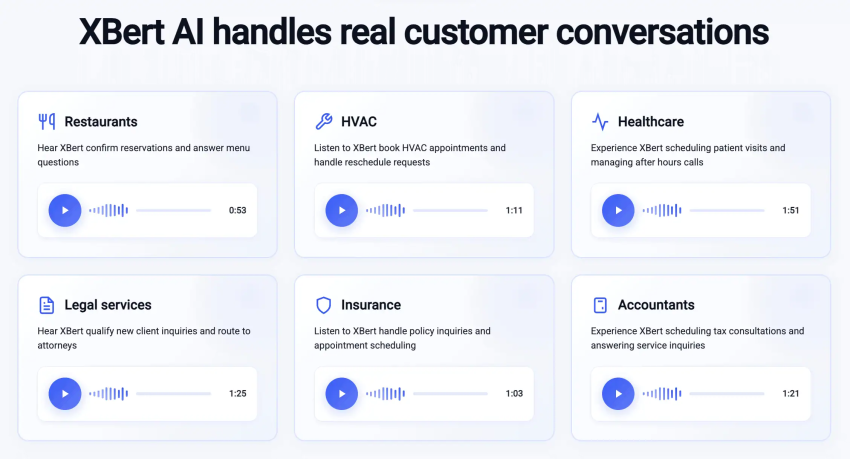
An AI agent affects human agent productivity in three primary ways:
1. Reduces low-value agent work
Instead of agents spending time on:
- Basic questions
- Call screening
- Directory requests
- Simple scheduling
These routine tasks are handled before the call reaches the agent. This leads to fewer interruptions, more time spent on complex, revenue- or retention-related work, and lower daily interaction clutter.
2. Improves call readiness before handoff
When calls are passed to agents from AI receptionists, they can arrive with:
- Call reason captured in advance
- Caller intent identified
- Basic information already gathered
This shortens opening questions, repetitive verification, and set-up time at the start of the call. The result is smoother call starts and shorter overall conversations.
3. Controls noise and after-hours volume
An AI receptionist can:
- Handle after-hours inquiries
- Capture messages outside business hours
- Screen spam or misdirected calls
- Route urgent calls only when needed
This results in leaner queues, fewer unnecessary escalations, and less agent fatigue from off-hour interruptions.
So with the help of an AI receptionist, productivity increases because agents spend more time on meaningful conversations, call openings are shorter and more focused, work volume is steadier across the day, and queue pressure becomes easier to manage.
2. Optimize processes and workflows
Remove bottlenecks that quietly slow agents down with these tips:
- Standardized Call & Case Flows: Create clear playbooks for common scenarios.
- Eliminate Redundant Steps: Audit workflows for duplicate data entry or unnecessary approvals.
- Intelligent Call Routing: Use skills-based and intent-based routing to send customers to the right agent the first time.
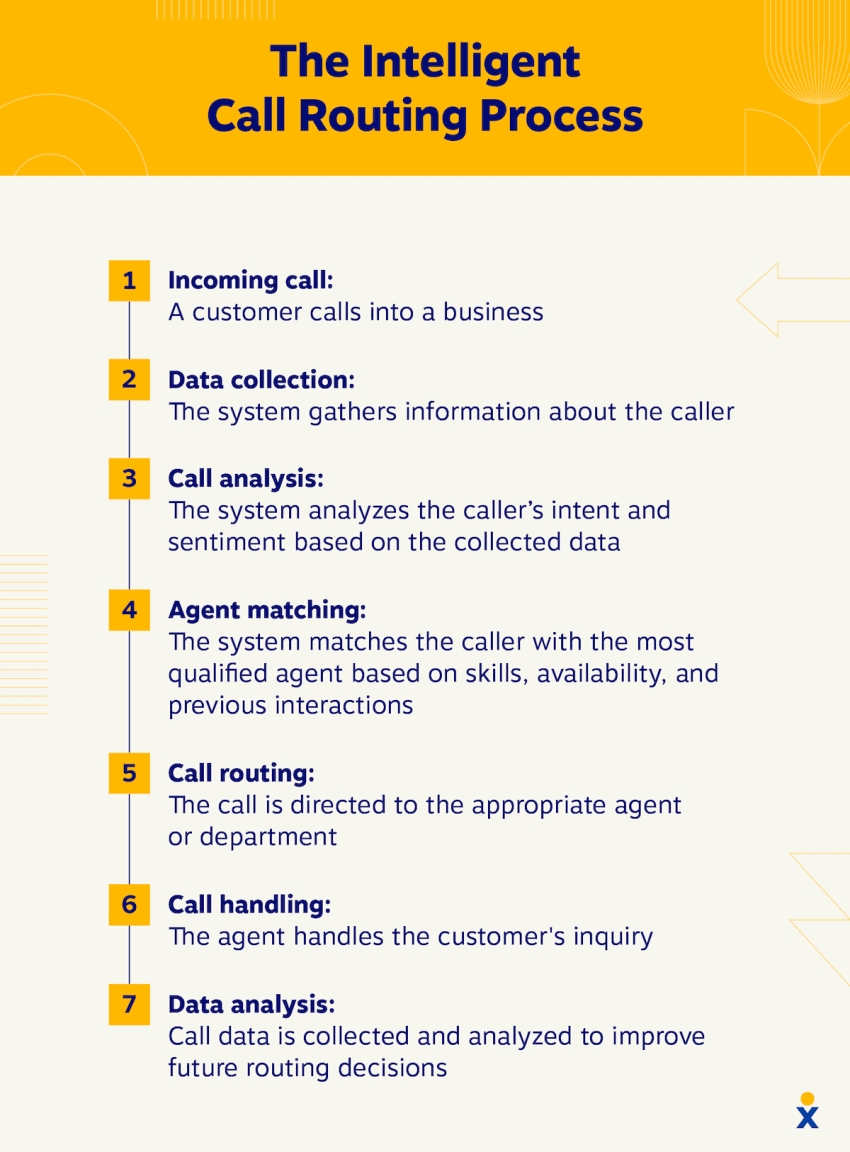
- Queue & Capacity Optimization: Balance agent workload to avoid agent idle time or overload.
- Workforce Management for Staffing and Scheduling Control: Use call volume patterns and historical demand to plan staffing levels, assign shifts, and adjust coverage so agents are available when demand is highest without creating overload or long idle periods.
- Self-Service Deflection: Use chatbots, IVR, and FAQs to handle low-value, high-volume tasks.
- Escalation Path Design: Make it fast and clear when and how to escalate complex cases.
Result: Fewer delays, less rework, and smoother handling from start to finish.
3. Invest in training and development
Productivity scales faster when agents feel confident and prepared.
- Role-Specific Onboarding Paths: Tailor agent training by role, product line, and channel.
- Microlearning & On-Demand Training: Short, targeted refreshers embedded directly in the workflow.
- Live Call Shadowing & Review: Use real recordings for practical coaching.
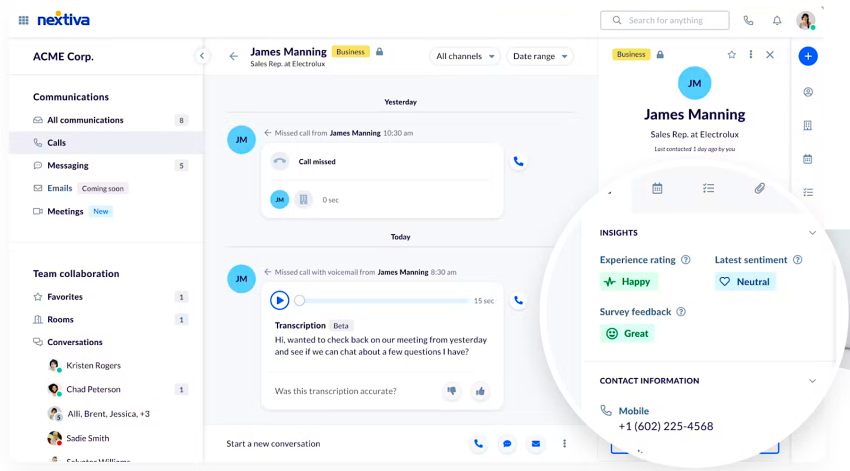
- AI-Powered Coaching Insights: Highlight performance gaps automatically using speech and sentiment analysis.
- Cross-Skill Development: Train agents on multiple queues to improve flexibility and staffing efficiency.
- Career Growth Pathways: Show clear progression to retain top performers.
Result: Faster ramp-up, fewer mistakes, and consistently higher-quality interactions.
4. Build a positive, high-performance work environment
Agent mood, energy, and engagement directly affect output.
- Fair Scheduling & Shift Flexibility: Prevent agent burnout and absenteeism.
- Clear Expectations & KPIs: Agents perform better when success is well-defined.
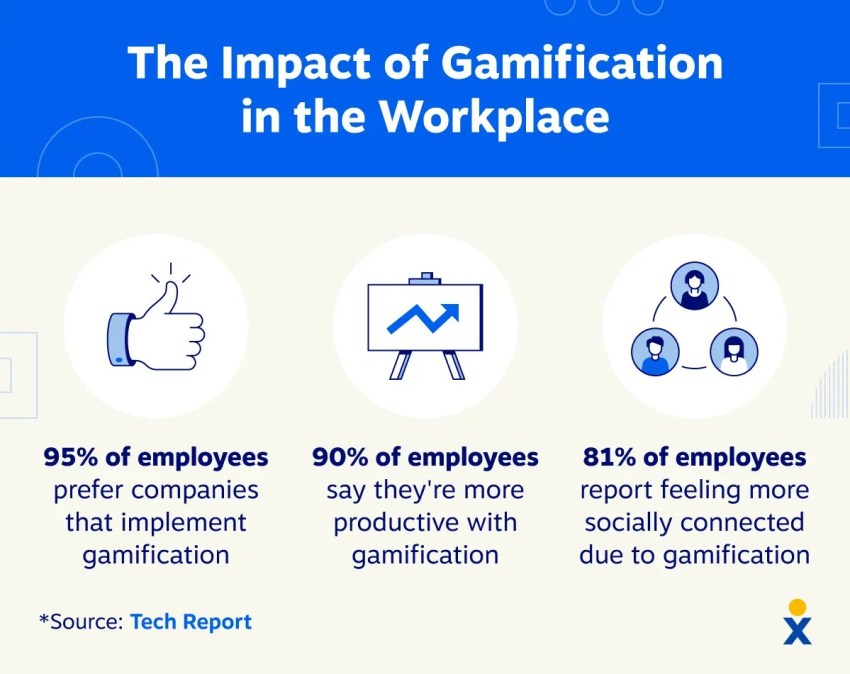
- Recognition & Incentives: Gamification, bonuses, and public recognition boost motivation.
- Psychological Safety: Encourage questions, feedback, and continuous improvement.
- Wellbeing & Burnout Prevention: Monitor overtime, queue pressure, and emotional load.
- Hybrid & Remote Support: Make sure remote agents have equal access to tools, coaching, and support.
Result: Higher engagement, lower turnover, and more consistent productivity.
5. Measure and analyze performance continuously
You can’t improve what you don’t measure.
- Core Productivity Metrics: AHT, FCR, occupancy, schedule adherence, tickets per hour.
- Quality & Experience Metrics: CSAT, QA scores, sentiment, repeat contact rate.
- Real-Time Dashboards: Let supervisors intervene immediately when metrics dip.
- Trend & Root-Cause Analysis: Identify whether issues are tool-, process-, or training-related.
- Performance Benchmarking: Compare across teams, shifts, and channels.
- Closed-Loop Feedback: Use performance data to refine training and workflows.
Result: Data-driven improvements instead of guesswork. (See “How to Measure Call Center Agent Productivity” below.)
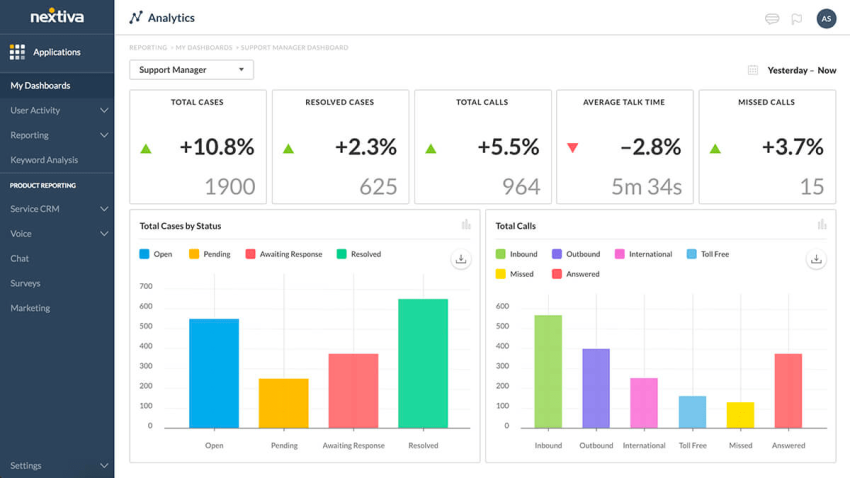
The tools in this section answered the question: “How do we make the machine run better?”
In the next section, we’ll provide “tools” that answer a different question: “How do we make the human inside the machine perform better over time?”
Agent Empowerment and Experience Enhancement
This aspect supports long-term productivity by improving how agents experience their daily work. When agents have clarity, support, and reasonable control over outcomes, performance becomes more consistent and sustainable.
Give agents ownership of the customer outcome
Agents are more productive when they can resolve issues without unnecessary hand-offs or rigid limitations, so be sure to:
- Provide full customer history across all interaction channels. Give customer service agents one complete view of past interactions, purchases, and issues so they don’t have to piece together context mid-call.
- Reduce forced transfers and narrow scripts. Limit transfers and overly rigid scripts that prevent agents from following a resolution through to completion.
- Allow flexible resolution paths within policy. Let agents choose from approved resolution options without waiting for extra approvals for routine cases.
- Encourage responsibility for final outcomes, not only handle time. Measure agent success by whether the issue is truly resolved, not just how quickly the call ends.
For example, at Amazon, frontline agents are often allowed to issue refunds, replacements, or credits on the spot for many common service issues—without waiting for supervisor approval. This shortens resolution time, reduces transfers, and lets agents fully close the loop with the customer in a single interaction.
Provide in-the-moment coaching and quality oversight
Guidance during active interactions helps agents correct issues before they become repeat contacts, such as:
- Live sentiment indicators to signal rising customer frustration. Visual cues alert agents when tone or tension shifts so they can adjust in the moment.
- On-screen prompts for required phrasing or next steps. Subtle guidance helps agents follow policy or workflows without breaking conversation flow.
- Supervisor assist and silent guidance. Supervisors can use call whispering to step in quietly when needed without disrupting the customer experience.
- Post-interaction scoring based on defined quality criteria. Each interaction is reviewed against clear standards to support consistent agent performance.
- Individual feedback based on performance records. Feedback is tied to actual interaction data rather than general observations.
For example, at many organizations, supervisors can silently monitor live customer interactions and provide real-time guidance to agents during complex or sensitive calls. This allows agents to adjust tone, follow compliance requirements, and resolve issues correctly on the first attempt—without escalating or restarting the interaction.
Agent experience benefit
When agents feel supported instead of monitored, performance remains steady over time. Here’s how:
- Stronger morale and confidence. Agents feel more capable when they have the authority and tools to resolve issues.
- Lower emotional fatigue. Fewer repeated problems and less customer frustration reduce daily stress.
- Reduced staffing turnover. Agents are more likely to stay when the job feels manageable and fair.
- Longer retention of skilled agents. Experienced agents remain in their roles instead of cycling out due to burnout.
- Greater consistency across teams. Shared support structures lead to more even performance across shifts and groups.
For example, at Zappos, agents are encouraged to take the time they need to truly help customers and are supported with strong coaching and trust-based policies rather than rigid monitoring. This focus on agent experience has led to consistently high customer satisfaction and long-term retention of experienced support staff.
How to Measure Call Center Agent Productivity
Measuring agent call center productivity goes beyond tracking speed alone. A complete view looks at how well agents handle volume, how consistently issues are resolved, and how customers respond to the interaction.
The clearest picture you’ll get comes from combining workload metrics, resolution results, and customer feedback into a single performance view.
1. First, define what “productivity” means for your operation
Productivity varies based on call volume, interaction type, and customer expectations. Some teams prioritize speed. Others focus more on resolution and service quality. Before tracking metrics, align on:
- Which channels matter most (voice, chat, email, SMS)
- Whether your priority is cost control, customer satisfaction, revenue, or growth
- The balance you want between speed and resolution
Clear definitions prevent teams from focusing on the wrong measurements.
2. Track core agent efficiency metrics
These metrics show how agents manage time and workload:
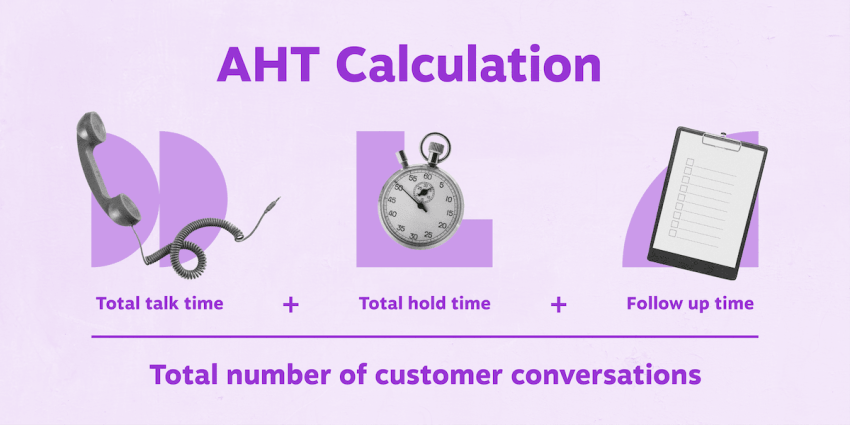
- Average Handling Time (AHT): Time spent per interaction. Measure by dividing total talk time + hold time + after-call work by the total number of interactions handled in a given period.
- Occupancy Rate: Percentage of time agents spend handling work. Measure by dividing total handling time by total logged-in time for each support agent or team.
- Interactions per Agent per Hour: Volume handled per agent. Measure by dividing total handled interactions by total staffed hours.
- Schedule Adherence: How closely agents follow assigned schedules. Measure by comparing actual login, break, and logout times against the published schedule.
3. Measure agent effectiveness, not just speed
Fast interactions do not always mean productive ones. These metrics show how often issues are resolved without extra work:
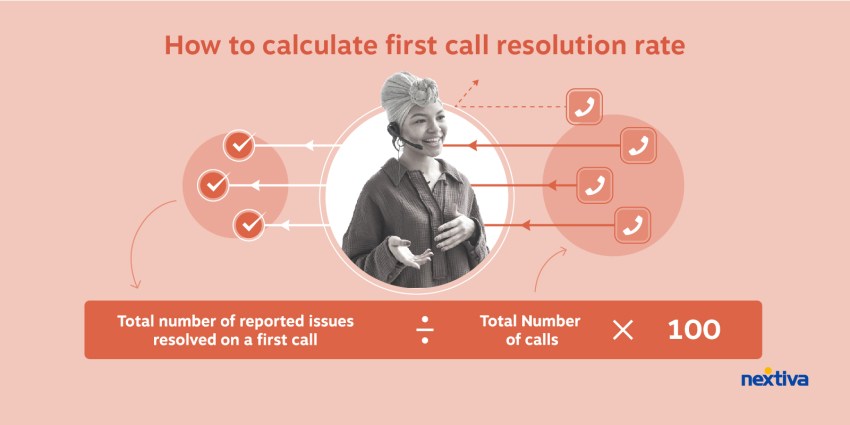
- First-Call Resolution (FCR): Percentage of issues resolved on the first interaction. Measure by tracking the share of cases that do not result in a repeat contact for the same issue within a defined time window.
- Repeat Contact Rate: How often customers must follow up. Measure by counting how many customers contact support again for the same issue within a set period.
- Escalation Rate: Frequency of supervisor or tier-two transfers. Measure by tracking how many interactions are handed off to another agent tier or supervisor.
4. Include quality and customer experience metrics
Focusing only on speed can create hidden long-term costs. Balance internal performance data with direct customer data and feedback with these metrics:
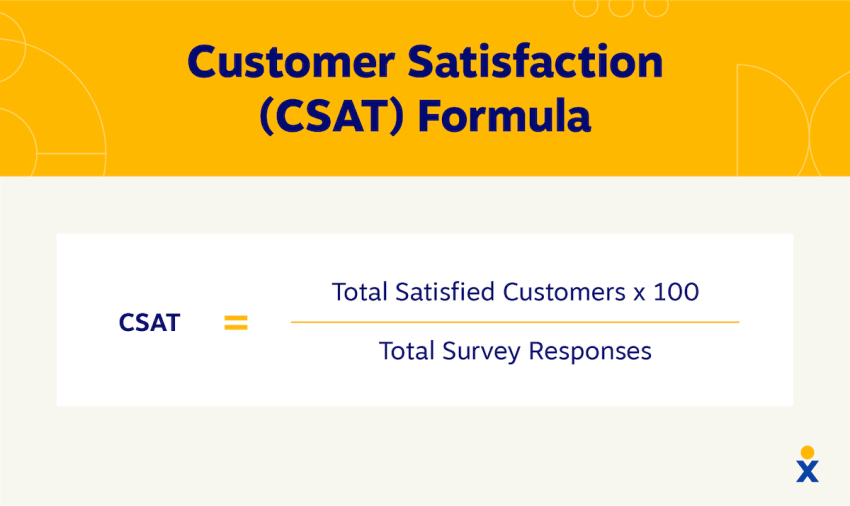
- Customer Satisfaction (CSAT). Measure through post-interaction surveys that ask customers to rate their experience on a simple scale.
- Quality Assurance (QA) Scores. Measure through structured reviews of recorded interactions using a consistent scoring checklist.
- Customer Sentiment Tracking. Measure by reviewing the emotional tone of customer messages and conversations over time to identify patterns of frustration or approval.
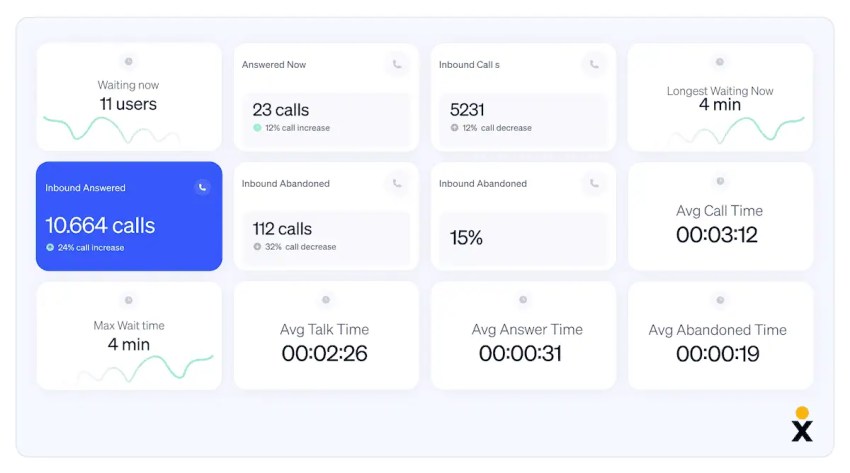
5. Use live and historical dashboards
Full visibility depends on both current activity and long-term patterns:
- Live monitoring helps supervisors rebalance queues, supports agent who need help, and correct issues as they happen.
- Historical reporting exposes seasonal trends, training gaps, process slowdowns, and tool limitations.
Together, these views support both short-term decisions and long-range planning.
6. Set performance baselines and targets
Context matters when reviewing results:
- Compare performance across teams, shifts, regions, and channels
- Set role-specific targets for new hires and experienced agents
- Start with internal performance baselines before using outside reference points
Well-set targets encourage progress without driving burnout.
7. Improving productivity is a continuous cycle
Measuring call center agent productivity is not a one-time initiative—it’s an ongoing process that only improves your organization when insights lead to action. Performance data should continuously shape individual coaching, trigger targeted training for recurring skill gaps, inform routing and workflow adjustments, and reinforce strong results through recognition and incentives.
This builds a continuous improvement cycle where measurement directly supports better outcomes.
How Boosting Agent Productivity Drives Overall Call Center Success
When agent productivity improves, the impact goes far beyond individual performance. It directly affects costs, service levels, customer trust, and staff stability.
These benefits show how day-to-day productivity gains translate into measurable business results.
Reduced operating costs
When agents handle more work with fewer delays and less rework, the cost per interaction drops. Expenses decrease as repeat contacts are limited through stronger first-call resolution, overtime is reduced by eliminating backlogs and long queues, and training and hiring costs fall as a result of improved staff retention.
Increased capacity and reduced wait times
A more productive agent can handle a higher interaction volume with the same staffing levels, allowing contact centers to serve more customers during peak hours, shorten queue times without adding agents, and maintain service levels during seasonal spikes. Shorter waits lead directly to fewer abandoned calls and less customer frustration before an agent even answers.
Higher customer satisfaction
Customers are more satisfied when issues are handled clearly, quickly, and without repeated effort. Productivity improvements raise CSAT by reducing the need for follow-up calls, shortening overall time to resolution, and improving consistency across agents, since customers spend less time waiting and repeating themselves.
Improved first-contact resolution
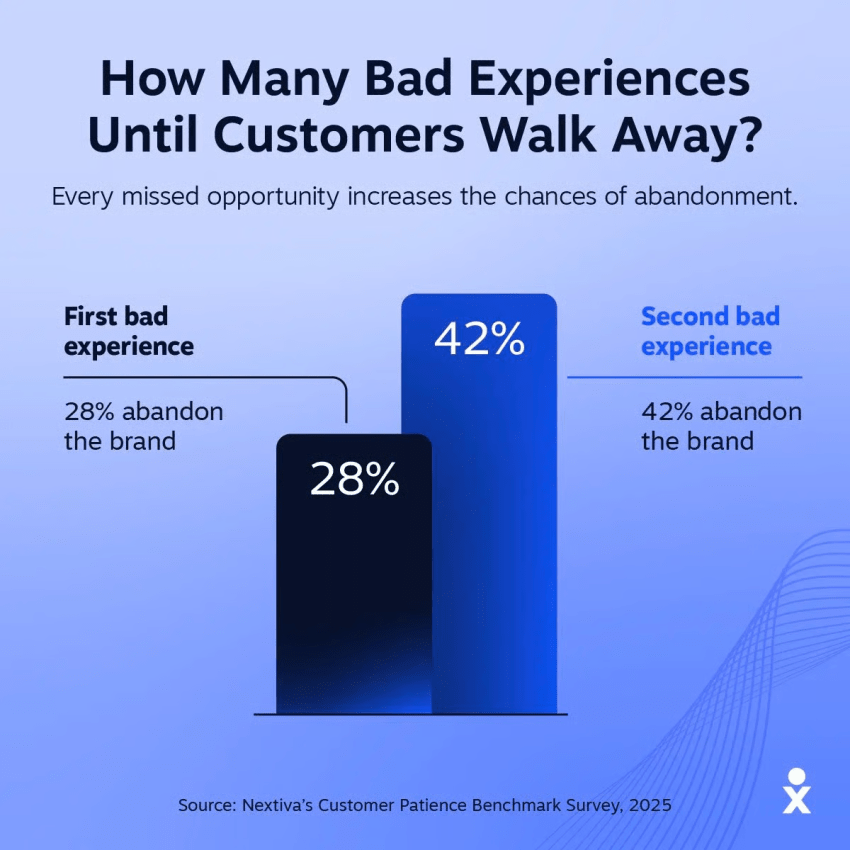
Higher productivity often leads to stronger first-contact resolution because agents have better access to information and clearer workflows. FCR improves when agents receive full context at the start of each interaction, unnecessary transfers are reduced, and clear resolution guidelines are provided for common issues. Each issue solved on the first contact lowers total workload and improves the customer’s experience.
Lower agent burnout and turnover
When agents work in a steady, manageable flow with fewer repeated problems, stress levels drop. Higher productivity reduces burnout by limiting constant queue pressure, reducing repeated exposure to frustrated customers, and creating clearer expectations for daily workload. Lower stress leads to longer agent tenure and reduces the cost and disruption of constant rehiring.
Faster issue resolution and shorter handle times
Productive agents move through interactions with better focus and fewer delays, resulting in shorter conversations without sacrificing resolution quality, less time spent searching for information, and fewer stalled or reopened cases. As handle times fall in a controlled way, total daily capacity rises and backlogs steadily shrink.
Master Your Productivity With Nextiva Call Center Software
Call center agent productivity is shaped by more than just training and software—it’s the result of how well your processes, technology, staffing, knowledge access, performance management, and agent experience work together. Breakdowns in any one of these areas—such as inefficient workflows, poor forecasting, weak coaching, misaligned KPIs, or agent burnout—create drag across the entire operation.
Even the strongest operational strategy, however, depends on having the right toolset in place. Best-in-class call center software like Nextiva helps unify these elements by streamlining operations, supporting real-time coaching, and delivering full visibility into performance—so your team can stay efficient, engaged, and consistently productive.
Top AI-Powered Call Center Solution
Transform your customer interactions and agent productivity with a contact center platform that saves you time and money, reduces agent stress, and adapts to fit your needs.